
Uncategorized
Sustanon 250 Dosage Guide: A Safer Approach to Strength and Muscle Growth
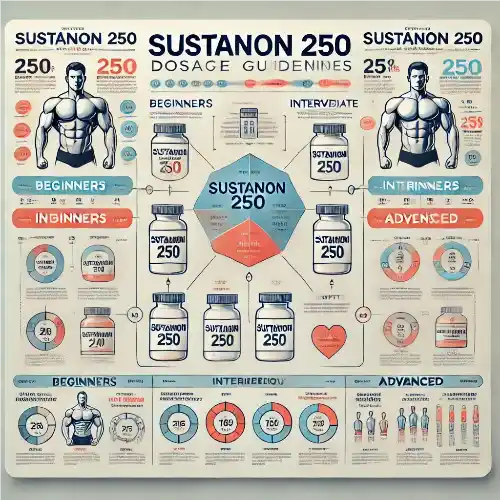
Sustanon 250 Dosage Guide for Bodybuilding: A Comprehensive Guide
Sustanon 250 is a popular injectable anabolic steroid, often used in bodybuilding for its unique blend of four testosterone esters, which provides a mix of fast-acting and long-lasting effects. This article provides a detailed overview of Sustanon 250 dosages, benefits, potential side effects, and guidance on its effective use in bodybuilding.
What Is Sustanon 250?
Sustanon 250 is an injectable testosterone formulation composed of four different testosterone esters. Each ester releases at a different rate, combining faster onset with longer-lasting hormone activity:
- Testosterone Propionate — 30 mg; a short-acting ester that begins releasing relatively quickly.
- Testosterone Phenylpropionate — 60 mg; a shorter-to-medium ester that contributes to early and continued release.
- Testosterone Isocaproate — 60 mg; a medium-length ester designed to extend the release profile.
- Testosterone Decanoate — 100 mg; the longest-acting ester in the blend, contributing to a more prolonged release period.
Together, these esters create a staggered release pattern rather than delivering all testosterone at the same speed. Sustanon 250 is widely discussed in bodybuilding contexts for its potential effects on muscle mass, strength, training recovery, and endurance; however, non-prescribed anabolic-steroid use can carry serious cardiovascular, hormonal, fertility, liver, and mental-health risks. It should only be used under qualified medical supervision.
Sustanon 250 and Bodybuilding Use
Dose selection, injection frequency, duration of use, existing health conditions, and concurrent substances can all substantially affect risk. There is no universally “safe” bodybuilding dosage: higher exposure and longer use generally increase the likelihood and severity of adverse effects.
Rather than treating experience level as a reason to escalate intake, anyone considering or currently using testosterone should discuss it confidentially with a licensed clinician. Medical oversight may include assessment of blood pressure, lipids, hematocrit/hemoglobin, liver markers, hormone levels, and symptoms of estrogen-related or androgen-related side effects.
Important Safety Considerations
Potential adverse effects associated with testosterone and other anabolic-androgenic steroids can include:
- Increased red-blood-cell count, which may raise clotting and cardiovascular risk.
- Worsening cholesterol levels and elevated blood pressure.
- Suppression of the body’s natural testosterone production and impaired fertility.
- Acne, oily skin, hair loss in genetically predisposed individuals, and prostate-related symptoms.
- Gynecomastia or fluid retention in some people.
- Mood changes, irritability, anxiety, or depressive symptoms, particularly after stopping.
- Injection-related risks, including infection, abscesses, and contaminated or mislabeled products.
Aromatase inhibitors also have their own risks and should not be added or adjusted without clinical assessment. Excessive estrogen suppression can negatively affect mood, libido, joints, bone health, and cardiovascular markers.
When to Seek Urgent Care
Seek urgent medical attention for chest pain, shortness of breath, fainting, one-sided weakness, sudden severe headache, leg swelling or pain, jaundice, fever with a worsening injection-site reaction, or severe changes in mood or thoughts of self-harm.
