


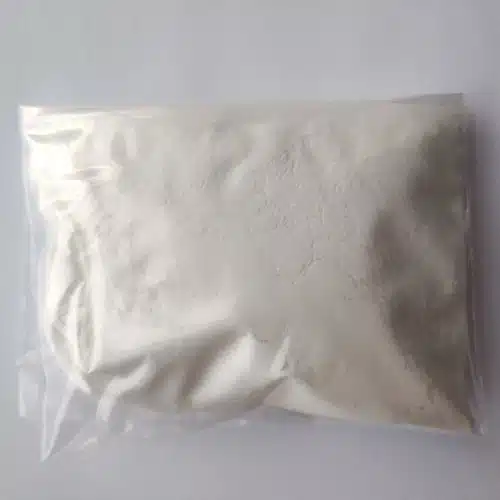
T3 Thyroid (Liothyroninesodium)
Price range: $800.00 through $6,800.00
T3 Thyroid (Liothyroninesodium) is a thyroid hormone compound studied in pharmaceutical, biochemical, and analytical research involving hormone chemistry and characterization.
T3 Thyroid (Liothyroninesodium) refers to liothyronine sodium, the sodium salt form of liothyronine, a synthetic form of the thyroid hormone triiodothyronine (T3). It is relevant to pharmaceutical and biochemical research involving thyroid hormone chemistry, molecular characterization, analytical testing, and formulation studies.
Laboratory investigations may examine the chemical properties, identity, purity, stability, and analytical behavior of liothyronine sodium under controlled conditions. Researchers may also study its characteristics alongside other thyroid hormone compounds to better understand structural and analytical differences.
Analytical laboratories can use established methods such as chromatography and mass spectrometry to identify and characterize liothyronine sodium. These techniques can assist with purity assessment, compound identification, stability testing, and investigation of related substances.
Because thyroid hormones have important biological activity, appropriate laboratory controls and documentation are particularly important when working with research materials. Researchers should review applicable certificates of analysis, safety documentation, batch information, and regulatory requirements before use.
Key Characteristics
- Synthetic thyroid hormone compound
- Sodium salt form of liothyronine
- Also associated with triiodothyronine (T3)
- Relevant to thyroid hormone research
- Suitable for analytical characterization
- Applicable to pharmaceutical and biochemical studies
- Intended for controlled laboratory research
Research Areas
Liothyronine sodium may be investigated in areas including:
- Thyroid hormone chemistry
- Molecular characterization
- Analytical identification
- Pharmaceutical research
- Formulation studies
- Compound stability
- Chromatographic analysis
- Mass spectrometric characterization
- Comparative hormone research
Technical Specifications
| Specification | Details |
|---|---|
| Product Name | T3 Thyroid (Liothyroninesodium) |
| Active Compound | Liothyronine |
| Salt Form | Sodium |
| Hormone | Triiodothyronine (T3) |
| Compound Type | Synthetic thyroid hormone |
| Research Area | Pharmaceutical and biochemical research |
| Intended Use | Lawful laboratory and scientific research |
Quality Considerations
For research applications, laboratories should evaluate compound identity, purity, batch consistency, and available analytical documentation. A certificate of analysis can provide batch-specific information and assist with laboratory quality-control procedures.
Researchers should also consider the compound’s biological activity when establishing appropriate laboratory handling and documentation procedures.
Handling and Storage
T3 Thyroid (Liothyroninesodium) should be handled only by appropriately trained laboratory personnel following established safety procedures. Storage should comply with applicable supplier documentation and institutional requirements.
Keep the material properly sealed and protected from unsuitable environmental conditions. Researchers should consult the applicable safety documentation for specific handling, storage, and disposal requirements.
Frequently Asked Questions
What is T3 Thyroid?
T3 Thyroid commonly refers to liothyronine, a synthetic form of triiodothyronine (T3), with liothyronine sodium being its sodium salt form.
What is Liothyroninesodium?
Liothyronine sodium is the sodium salt form of liothyronine and is used in pharmaceutical and biochemical research involving thyroid hormone compounds.
What can researchers study?
Research may examine its chemical identity, molecular characteristics, purity, stability, analytical behavior, and formulation properties.
How can Liothyronine sodium be analyzed?
Laboratories may use chromatography, mass spectrometry, and other validated analytical techniques for identification and characterization.
What documentation should researchers review?
Researchers should review the applicable certificate of analysis, safety documentation, batch information, and relevant regulatory requirements before handling the material.
| Select Quantity | 50g, 100g, 500g |
|---|
Be the first to review “T3 Thyroid (Liothyroninesodium)”
Related products
Other APIs & Chemicals

Other APIs & Chemicals
Other APIs & Chemicals
Other APIs & Chemicals
Reviews
There are no reviews yet.