

Buy LGD 4033 Powder – 99% Pure, Lab-Tested
Price range: $850.00 through $5,000.00
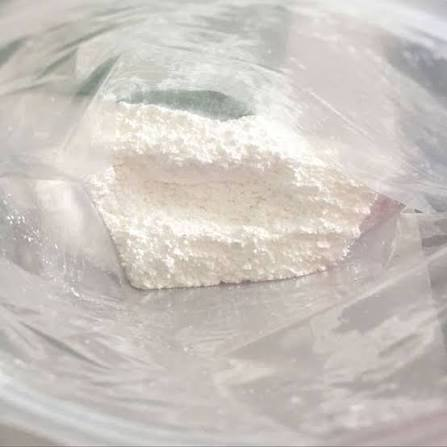
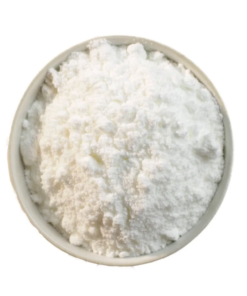
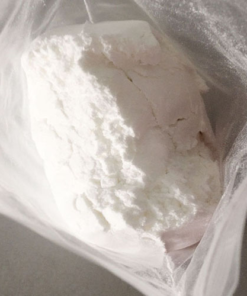
we offer LGD 4033 powder, also known as Ligandrol, a potent Selective Androgen Receptor Modulator (SARM) that has gained popularity for its muscle-building and strength-enhancing properties. Our LGD 4033 powder is thoroughly lab-tested to ensure a minimum purity of 99%, providing a reliable and safe product for bodybuilders, athletes, and fitness enthusiasts looking to improve muscle mass and performance.
Lab-Tested Quality: Guaranteed 98%+ purity and verified for safety.
Bulk Pricing Available: Order now and enjoy competitive bulk pricing with fast, discreet shipping.
Guaranteed Safe Delivery: If your package is seized or doesn’t arrive, we will resend it at no additional cost.
What Is Sarm LGD-4033?
Sarm LGD-4033 Powder, also known as LGD-4033 or Ligandrol, is a selective androgen receptor modulator research compound used in analytical chemistry, forensic toxicology, and laboratory research.
LGD-4033 is categorized as an analytical reference standard and is studied because of its relevance to androgen receptor modulator analysis, forensic identification, and drug-testing research. It has been detected in athlete urine samples and identified in performance-enhancing drug samples examined during forensic investigations.
Sarm LGD-4033 is intended for qualified laboratory research and forensic applications only. It is not for human or veterinary use and should not be represented as an approved medicine, dietary supplement, or therapeutic product.
LGD-4033 Chemical Information
| Property | Details |
|---|---|
| Product Name | Sarm LGD-4033 Powder |
| Chemical Name | LGD 4033 |
| Common Name | LGD-4033 |
| Synonym | Ligandrol |
| Product Type | Analytical reference standard |
| Item Number | 9002046 |
| CAS Number | 1165910-22-4 |
| Molecular Formula | C14H12F6N2O |
| Formula Weight | 338.3 |
| Purity | ≥98% |
| Physical Form | Crystalline solid |
| Formal Name | 4-[(2R)-2-[(1R)-2,2,2-trifluoro-1-hydroxyethyl]-1-pyrrolidinyl]-2-(trifluoromethyl)-benzonitrile |
| Maximum Absorbance | 224 and 295 nm |
| Storage Temperature | -20°C |
LGD-4033 has a defined chemical structure and is supplied as a crystalline solid. Its molecular formula, formula weight, CAS number, purity, and other technical specifications are useful for laboratory identification and analytical reference work.
LGD-4033 Research Applications
Sarm LGD-4033 is relevant to several research and analytical fields, including:
- Analytical chemistry
- Forensic chemistry
- Forensic toxicology
- Mass spectrometry
- Drug identification
- Anti-doping research
- Selective androgen receptor modulator analysis
- Metabolite research
- Reference-standard comparison
- Chromatographic method development
- Analytical method validation
- Chemical structure research
In laboratory settings, LGD-4033 may be used as a reference material when comparing known compounds with unknown samples. Researchers can examine its chemical identity, chromatographic behavior, and analytical characteristics as part of a validated testing procedure.
The compound may also be relevant to research involving the detection of selective androgen receptor modulators in biological specimens and other complex sample matrices.
LGD-4033 and Selective Androgen Receptor Modulators
Selective androgen receptor modulators, commonly called SARMs, are synthetic compounds studied for their interaction with androgen receptor pathways. LGD-4033 is classified within this research category and is also known by the name Ligandrol.
Research involving LGD-4033 may focus on:
- Androgen receptor-related biology
- Chemical structure and molecular identity
- Receptor modulator classification
- Analytical detection
- Metabolic transformation
- Comparison with related research compounds
- Forensic identification
- Drug-testing methodology
The term SARM describes the compound’s research classification. It does not establish that LGD-4033 is safe, effective, or approved for human use. Laboratory findings should be interpreted according to the specific experimental model and research conditions.
Analytical and Forensic Research
LGD-4033 has been reported in athlete urine samples and in performance-enhancing drug samples seized by law enforcement. These findings make it relevant to forensic chemistry, toxicology, and analytical testing programs.
Forensic research involving Sarm LGD-4033 may include the examination of:
- Unknown chemical samples
- Biological specimens
- Seized drug materials
- Potential doping agents
- SARM-related compounds
- Metabolite profiles
- Drug-testing samples
- Reference-standard materials
A known LGD-4033 reference standard can assist laboratories in comparing analytical results from unknown samples. This may include retention-time comparison, mass-spectrum evaluation, and confirmation of compound identity through validated analytical methods.
LGD-4033 is therefore relevant to laboratories developing or evaluating procedures for the identification of androgen receptor modulators and related compounds.
LGD-4033 Mass Spectrometry Research
Mass spectrometry is widely used for the identification and characterization of research compounds. LGD-4033 is relevant to analytical workflows involving selective androgen receptor modulators, forensic drug standards, and biological sample analysis.
Research applications may include:
- Liquid chromatography–mass spectrometry
- Liquid chromatography–tandem mass spectrometry
- High-resolution mass spectrometry
- Gas chromatography–mass spectrometry
- Retention-time comparison
- Mass-spectrum comparison
- Screening method development
- Confirmation testing
- Metabolite identification
- Analytical reference-standard validation
Cayman Chemical provides analytical resources for LGD-4033, including GC-MS information and product documentation. Researchers should use the official analytical data and validated laboratory procedures when identifying or comparing LGD-4033 in research samples.
Solubility and Laboratory Handling
Cayman Chemical reports the following solubility information for LGD-4033:
| Solvent | Reported Solubility |
|---|---|
| DMF | 25 mg/ml |
| DMSO | 10 mg/ml |
| Ethanol | 25 mg/ml |
| Ethanol, pH 7.2, 1:5 | 0.16 mg/ml |
Solubility may vary according to temperature, solvent quality, preparation method, concentration, and other laboratory conditions. The listed values should be treated as supplier-reported reference information rather than a guarantee of performance in every formulation.
Qualified laboratory personnel should review the applicable Safety Data Sheet before handling LGD-4033. Appropriate laboratory procedures should be followed for weighing, preparation, containment, labeling, and disposal.
Laboratories should also use suitable protective equipment and follow institutional chemical-handling requirements when working with research compounds.
Storage and Stability
The recommended storage temperature for LGD-4033 is -20°C. Cayman Chemical reports shipping on wet ice within the continental United States, while shipping conditions may vary by destination.
Recommended laboratory storage practices include:
- Store the compound at the supplier-recommended temperature.
- Keep the container tightly sealed.
- Protect the material from unnecessary heat and moisture.
- Minimize repeated temperature fluctuations.
- Use clean laboratory equipment during preparation.
- Maintain accurate batch and storage records.
- Follow the product-specific Safety Data Sheet.
- Use validated procedures for long-term stability assessment.
Stability can depend on storage conditions, container closure, solvent preparation, and the intended analytical application. Researchers should evaluate stability according to their own laboratory requirements.
Quality Control and Documentation
Before using Sarm LGD-4033 Powder in research, laboratories should review the available product documentation. Relevant documents may include:
- Certificate of Analysis
- Safety Data Sheet
- Product insert
- GC-MS information
- Batch-specific quality data
- Analytical reference information
- Product identity and purity data
Cayman Chemical identifies LGD-4033 as an analytical reference standard and provides access to product inserts, GC-MS data, Safety Data Sheets, and certificates of analysis.
The Certificate of Analysis should be reviewed for the specific batch being used because analytical results and documentation may vary between batches. Proper documentation supports traceability, quality control, and reproducibility in laboratory research.
Research Limitations and Safety
Sarm LGD-4033 Powder is intended for qualified laboratory research and forensic applications only.
It is:
- Not for human use
- Not for veterinary use
- Not a dietary supplement
- Not an approved medicine
- Not intended for diagnosis or treatment
- Not intended for performance enhancement
- Not intended for self-administration
Research findings involving LGD-4033 should be interpreted within the limits of the relevant experimental model. Chemical classification, laboratory detection, or preclinical observations do not establish that the compound is safe or effective for humans.
Researchers should comply with institutional safety requirements, applicable regulations, and the supplier’s official handling instructions. The product-specific Safety Data Sheet should be consulted before use, storage, or disposal.
Research-Use Notice
Sarm LGD-4033 Powder is provided for qualified laboratory research and forensic applications only. It is not intended for human consumption, veterinary use, diagnosis, treatment, disease prevention, dietary supplementation, or self-administration.
| Select Quantity | 100g, 500g, 1kg |
|---|
Be the first to review “Buy LGD 4033 Powder – 99% Pure, Lab-Tested”
Related products
SARMs Powders
SARMs Powders
SARMs Powders
SARMs Powders
SARMs Powders
Reviews
There are no reviews yet.