
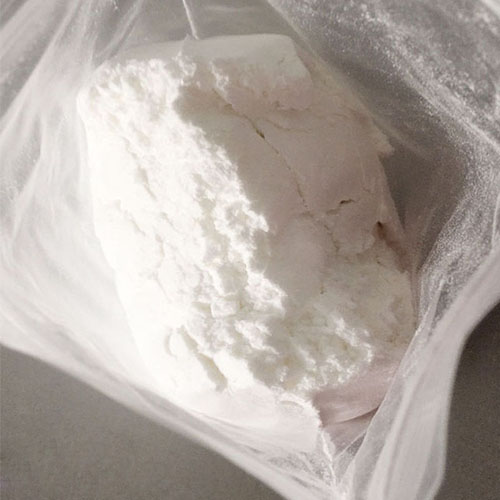
RAD 140 Powder for Sale – 99% Pure
Price range: $900.00 through $11,400.00
we offer premium RAD 140 powder, a powerful SARM (Selective Androgen Receptor Modulator) known for its anabolic properties that help build lean muscle mass and enhance physical performance. Our RAD 140 powder is rigorously lab-tested to ensure a minimum purity of 99%, providing you with a reliable and potent product to help achieve your fitness and bodybuilding goals.
Lab-Tested Quality: Guaranteed 98%+ purity and verified for safety.
Bulk Pricing Available: Order now and enjoy competitive bulk pricing with fast, discreet shipping.
Guaranteed Safe Delivery: If your package is seized or doesn’t arrive, we will resend it at no additional cost.
RAD140 Powder is a synthetic, nonsteroidal selective androgen receptor modulator, commonly known as a SARM. It is also identified by the names RAD-140, Testolone, EP0062, and Vosilasarm.
RAD140 is studied in laboratory research involving androgen receptor signaling, receptor selectivity, muscle-related biology, hormone-responsive cancer models, and gene-expression pathways. Unlike traditional steroidal compounds, RAD140 is a nonsteroidal small molecule designed to interact with the androgen receptor.
The referenced Cayman Chemical product page describes RAD140 as a selective androgen receptor modulator with a reported androgen receptor binding affinity of approximately Ki = 7 nM. The page also identifies it as a research compound that is not intended for human or veterinary use.
RAD140 Chemical Information
| Property | Details |
|---|---|
| Product Name | RAD140 Powder |
| Alternative Names | RAD-140, Testolone, EP0062, Vosilasarm |
| Research Category | Selective androgen receptor modulator |
| Cayman Chemical Item Number | 18773 |
| CAS Number | 1182367-47-0 |
| Molecular Formula | C₂₀H₁₆ClN₅O₂ |
| Molecular Weight | 393.8 g/mol |
| Physical Form | Crystalline solid |
| Reported Purity | ≥98% |
| Storage Temperature | −20°C |
| Maximum Absorbance | 231 nm and 277 nm |
The chemical identity, molecular formula, molecular weight, physical form, purity, and storage information are based on the referenced Cayman Chemical product data.
Mechanism of Action
RAD140 interacts with the androgen receptor, a nuclear receptor involved in regulating gene expression. Androgen receptor signaling plays a role in several biological processes, including:
- Muscle-cell development
- Skeletal-tissue biology
- Reproductive-system signaling
- Gene transcription
- Hormone-responsive cellular activity
- Tissue-specific receptor responses
RAD140 was developed as a nonsteroidal compound with selective androgen receptor activity. Research has examined whether it can produce different receptor responses across tissues and experimental models.
The referenced product information reports that RAD140 is selective for the androgen receptor over progesterone, estrogen, and glucocorticoid receptors, as well as a panel of other receptors, ion channels, and enzymes tested at a specified concentration.
Research Applications
Androgen Receptor Signaling
RAD140 may be used in laboratory studies investigating androgen receptor activation, receptor binding, transcriptional regulation, and downstream gene expression.
Selective Receptor Modulation
Researchers study RAD140 to understand how nonsteroidal compounds can interact with androgen receptors while showing different activity profiles across other receptor systems.
Muscle and Skeletal Research
Preclinical studies have investigated RAD140 in relation to muscle-related and skeletal-tissue responses. These findings are experimental and should not be interpreted as evidence of human performance benefits or medical treatment.
Hormone-Responsive Cancer Research
RAD140 has been examined in preclinical research involving hormone-receptor-positive cancer models, including studies of androgen- and estrogen-receptor signaling.
Molecular Pharmacology
RAD140 can be used as a research tool for examining:
- Receptor binding
- Nuclear-receptor activity
- Ligand selectivity
- Transcriptional responses
- Tissue-specific signaling
- Small-molecule pharmacology
Androgen Receptor Selectivity
The androgen receptor belongs to the nuclear-receptor family. When activated, it can influence the transcription of genes involved in hormone-responsive biological processes.
The referenced Cayman Chemical data report:
- Androgen receptor binding affinity: Ki = 7 nM
- Selectivity over progesterone receptors
- Selectivity over estrogen receptors
- Selectivity over glucocorticoid receptors
- Selectivity against a panel of 165 receptors, ion channels, and enzymes at 1 µM
Selectivity results are dependent on the assay conditions and tested targets. A compound’s reported receptor selectivity does not establish clinical safety or suitability for human use.
Preclinical Research Findings
The referenced product page summarizes several preclinical research findings.
Muscle-Related Animal Research
In a castrated immature rat model, RAD140 was reported to increase muscle weight without increasing prostate weight at the tested experimental conditions.
This result represents an animal-study observation and should not be interpreted as a human dosage recommendation, safety finding, or performance-enhancement claim.
Cancer Research
RAD140 has also been studied in patient-derived xenograft mouse models involving androgen- and estrogen-receptor-positive breast cancer. The referenced research reported a reduction in tumor volume under the experimental conditions.
These findings are preclinical and do not establish RAD140 as an approved cancer treatment.
Safety-Related Research
Published case-report literature has associated RAD140 exposure with liver injury. This is an important safety consideration when evaluating the compound and reinforces that RAD140 is not intended for self-administration or human consumption.
Solubility and Laboratory Handling
The referenced Cayman Chemical technical information reports the following solvent-specific solubility values:
| Solvent | Reported Solubility |
|---|---|
| DMF | 30 mg/mL |
| DMSO | 30 mg/mL |
| Ethanol | 2 mg/mL |
| Ethanol, pH 7.2, 1:3 | 0.25 mg/mL |
Solubility may vary depending on temperature, solvent quality, concentration, and preparation conditions. Researchers should consult the current product insert and batch documentation before preparing laboratory solutions.
RAD140 should be handled only by qualified personnel using appropriate laboratory procedures, chemical controls, and protective equipment.
Storage and Stability
The referenced product information lists −20°C as the storage temperature for RAD140.
| Material | Storage Guidance |
|---|---|
| RAD140 Powder | Store at −20°C |
| Container | Keep properly sealed |
| Moisture Exposure | Minimize exposure |
| Temperature Changes | Avoid unnecessary fluctuations |
| Prepared Solutions | Follow supplier-specific stability instructions |
Storage duration and stability may depend on the formulation, container, solvent, and batch. Always verify the current certificate of analysis, product insert, and safety data sheet.
Quality Control and Documentation
Researchers evaluating RAD140 Powder should review the documentation associated with the specific batch. Important documents may include:
- Certificate of Analysis
- Safety Data Sheet
- Product insert
- Purity information
- Molecular characterization
- Batch number
- Solubility data
- Storage instructions
- Analytical data
The referenced Cayman Chemical page provides access to product inserts, safety data, and certificates of analysis or batch-specific information.
Research Limitations and Safety
RAD140 is a research compound, and its reported effects should be interpreted within the limitations of the relevant study.
Important considerations include:
- Laboratory findings may not translate to humans.
- Animal-study results do not establish human safety.
- Receptor selectivity varies according to assay conditions.
- RAD140 is not an approved treatment for muscle development, cancer, hormonal disorders, or any other medical condition.
- Reported liver-injury cases are relevant to safety assessment.
- The compound should not be used for human consumption or self-administration.
| Select Quantity | 50g, 100g, 500g, 1kg |
|---|
Be the first to review “RAD 140 Powder for Sale – 99% Pure”
Related products
SARMs Powders
SARMs Powders
SARMs Powders
SARMs Powders
SARMs Powders
Reviews
There are no reviews yet.